Discover Imperial Viking Sal
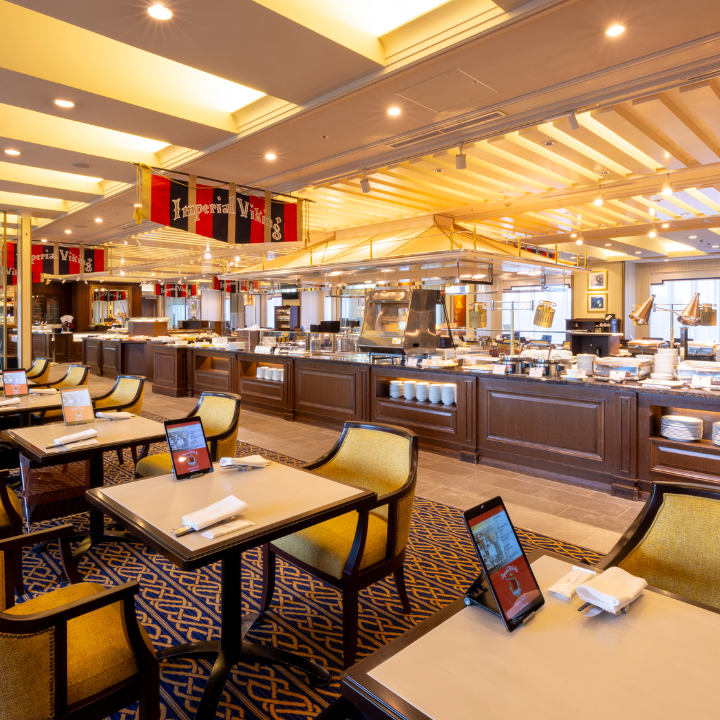
Perched high above the city on the 17th floor of the Imperial Hotel’s main building, Imperial Viking Sal is one of those rare places where the view competes with the food-and somehow both win. Located at Japan, 〒100-8558 Tokyo, Chiyoda City, Uchisaiwaicho, 1 Chome−1−1 本館 17階, this long-standing buffet restaurant inside Imperial Viking Sal has earned a reputation that stretches far beyond Tokyo.
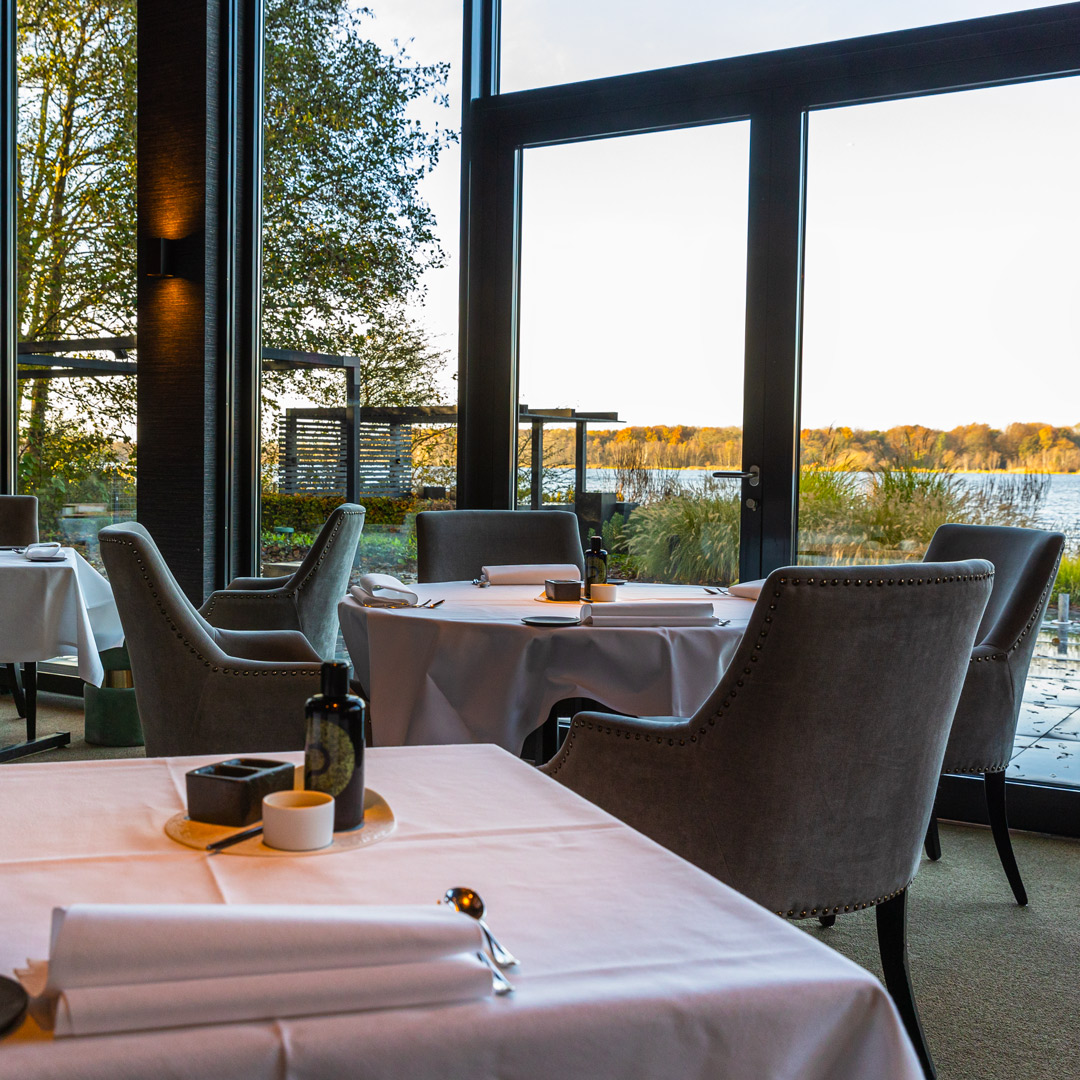
The first thing that struck me when I visited was the panoramic skyline. Floor-to-ceiling windows frame Hibiya and the surrounding business district, and if you time your reservation around sunset, you’ll see the city shift from golden glow to neon sparkle. It’s not just a meal; it’s a slow, cinematic experience.
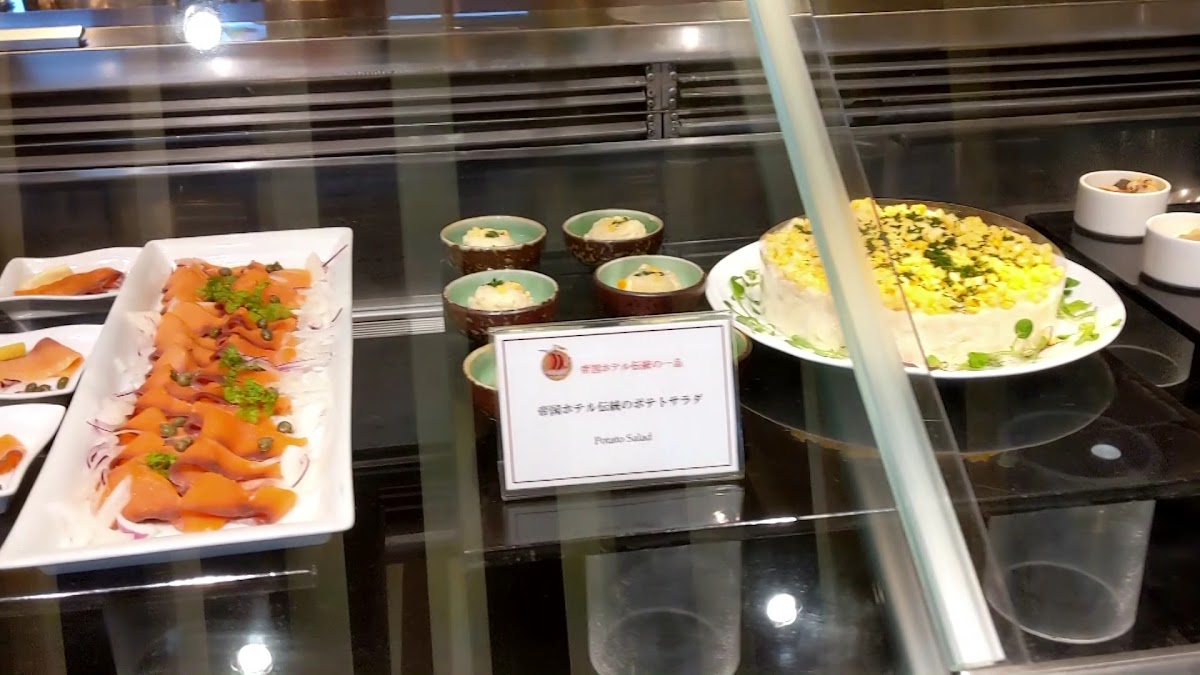
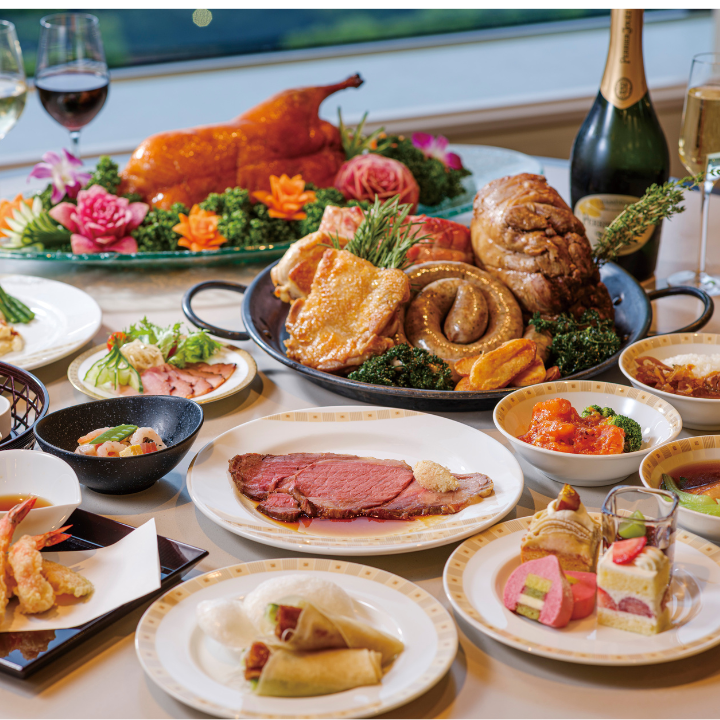
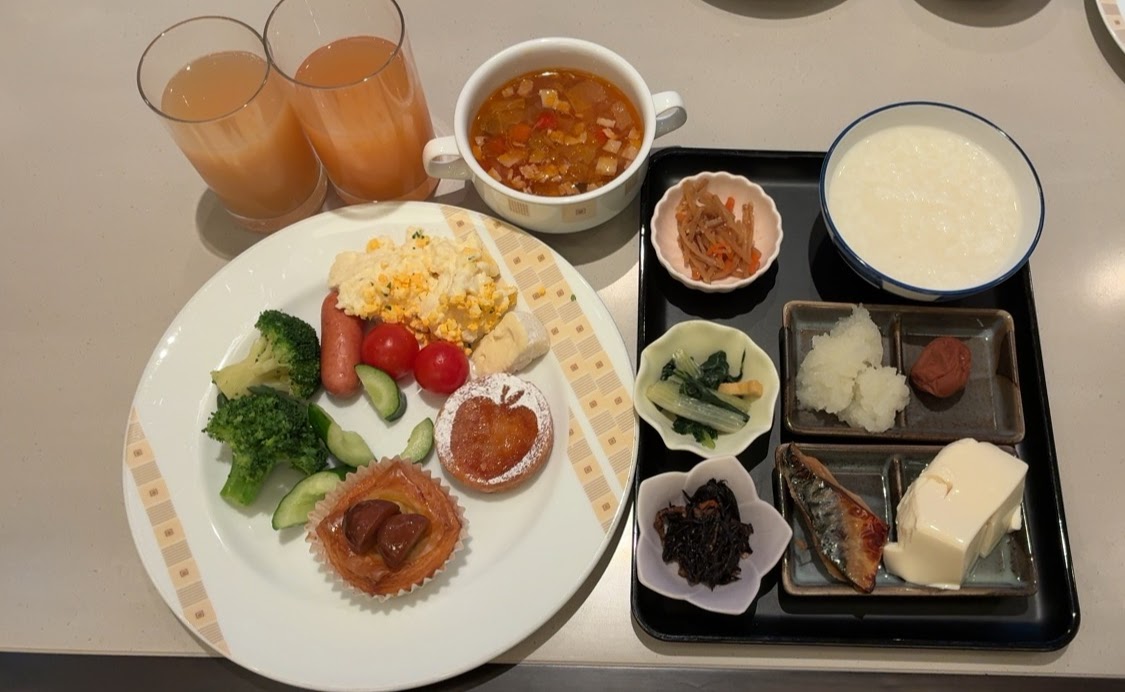
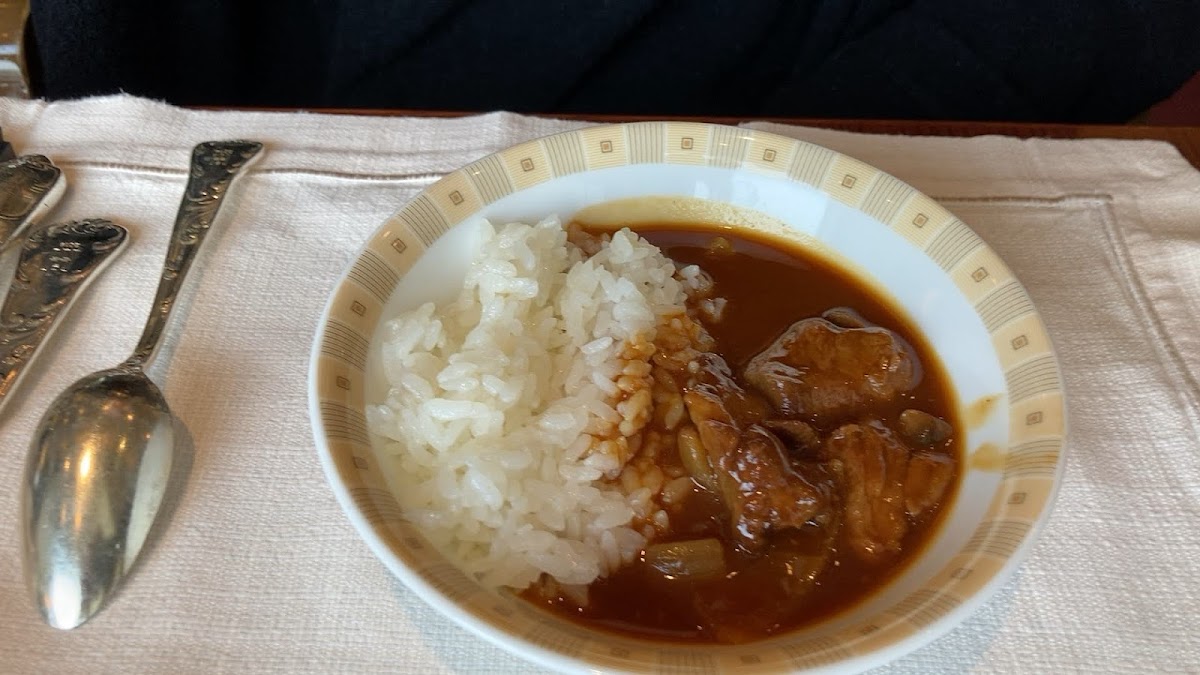
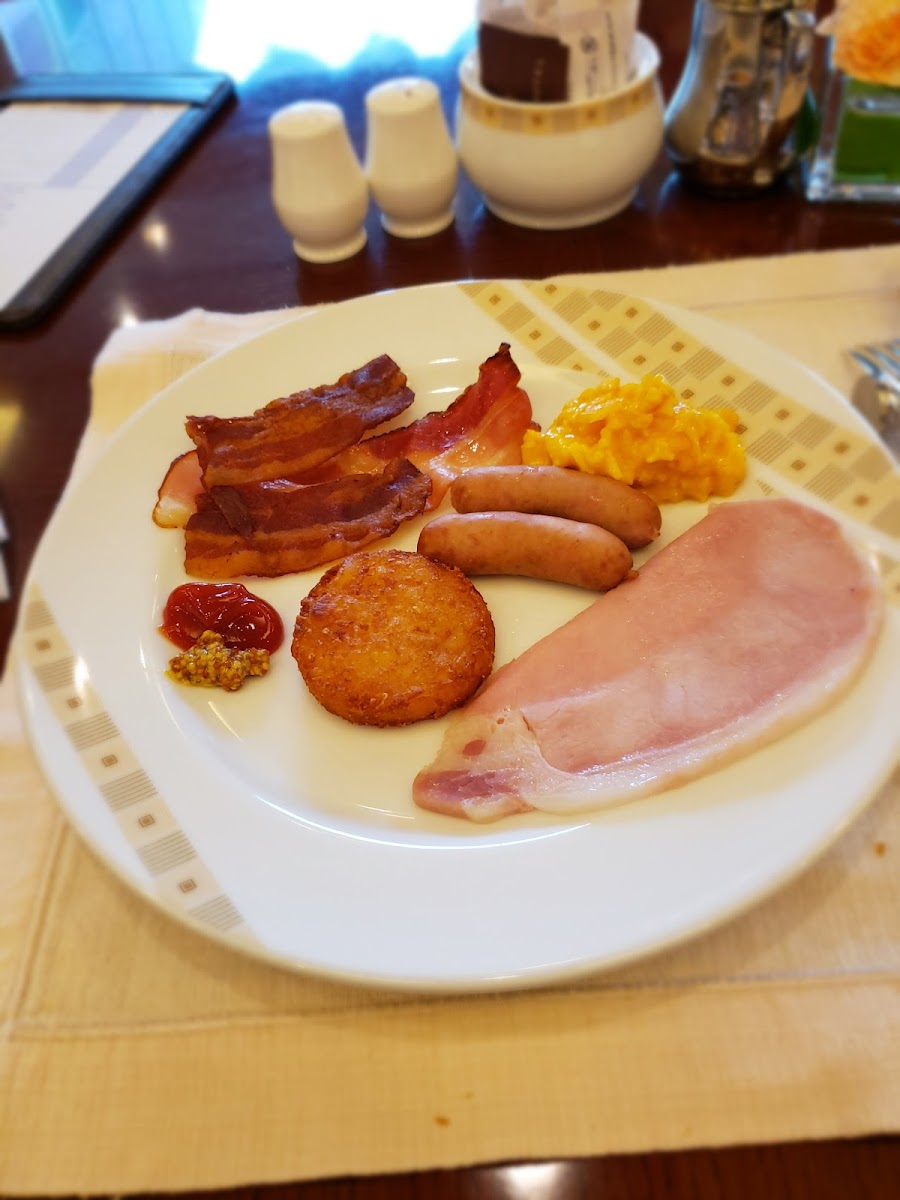
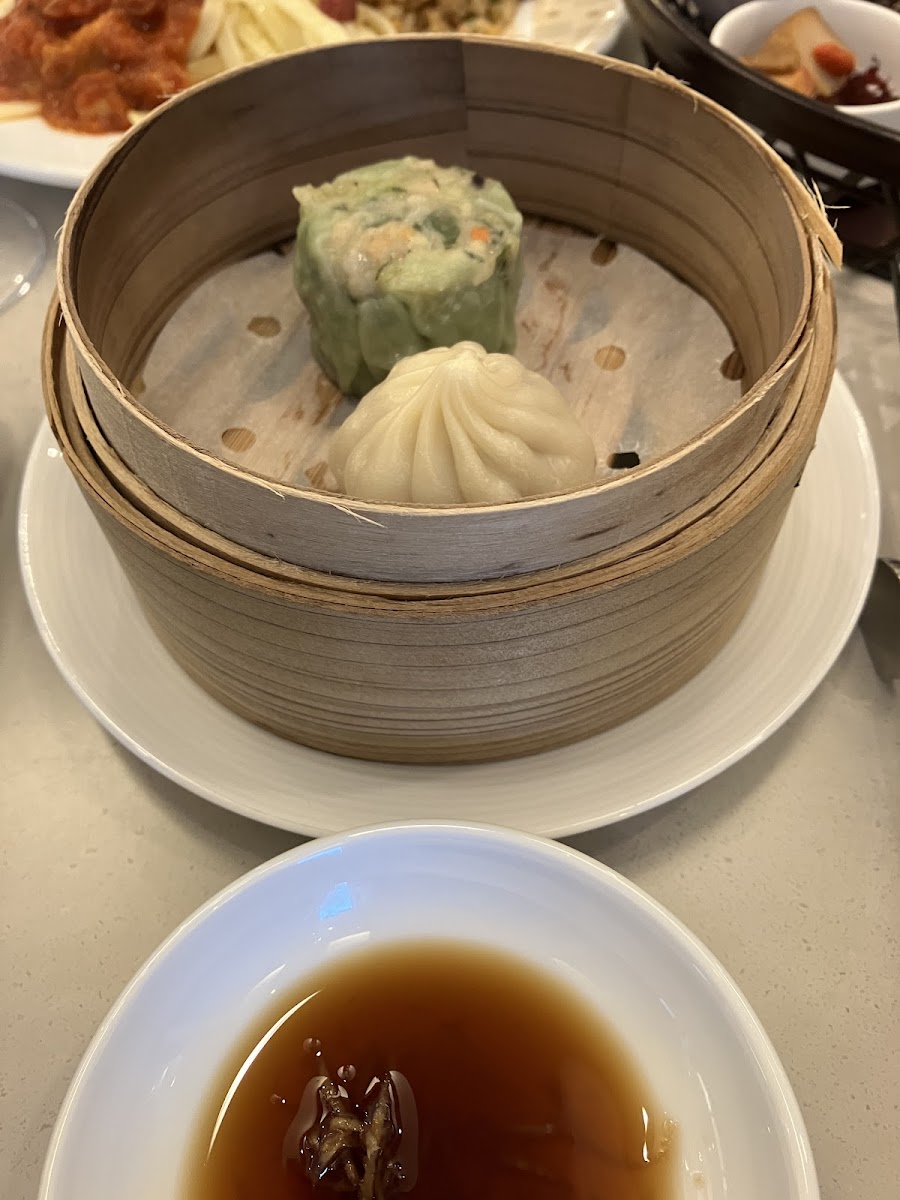
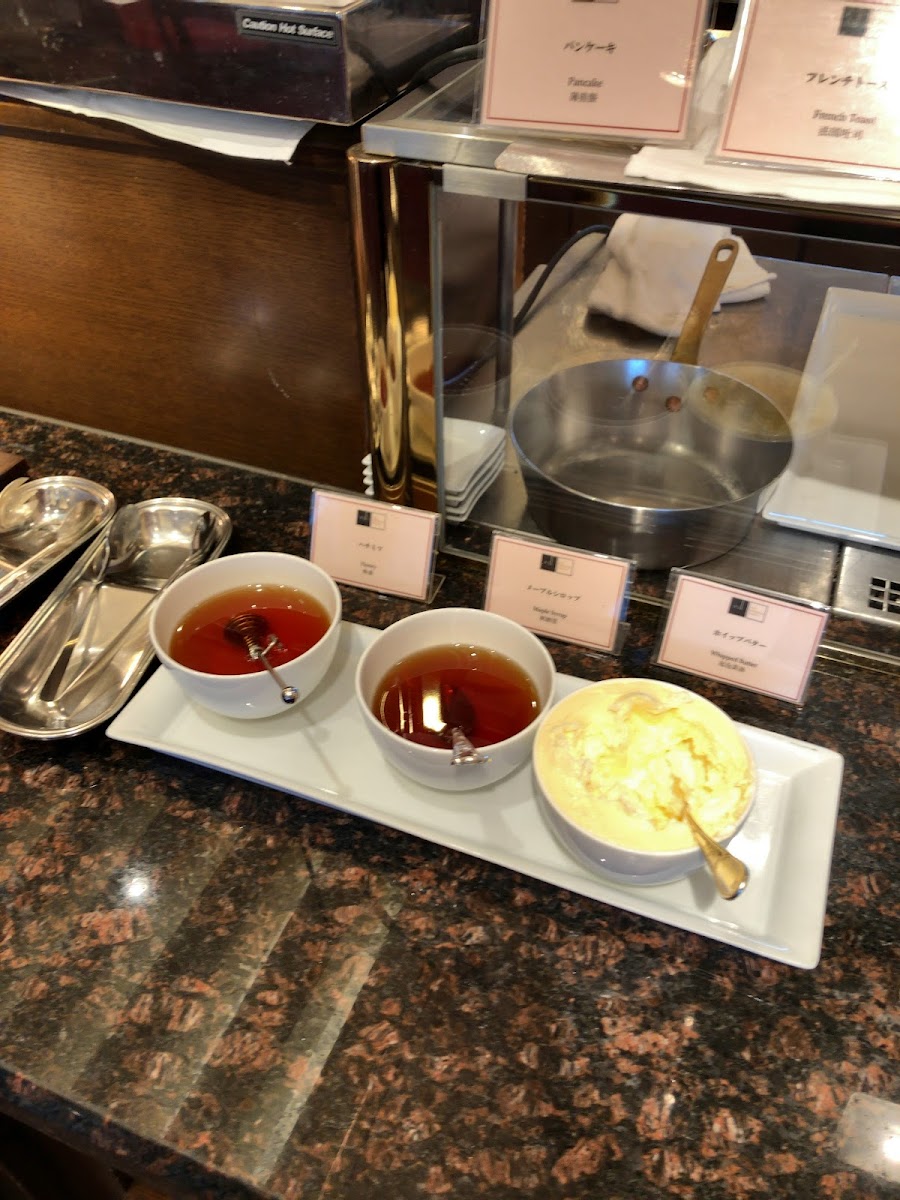
Now, let’s talk about the menu. Imperial Viking Sal is often credited as one of the pioneers of the hotel buffet concept in Japan. According to hospitality records and industry commentary from the Imperial Hotel group, the Viking-style buffet gained popularity in the 1960s as international dining trends entered Japan. Here, that legacy is preserved but updated. You’ll find premium roast beef carved to order, fresh seafood platters with crab legs and shrimp, sushi prepared by trained chefs, and a rotating selection of seasonal dishes. During my visit, the roast beef stood out-tender, evenly pink, and served with a rich jus that didn’t overpower the meat’s natural flavor.
Buffets sometimes get a bad reputation for sacrificing quality for quantity. However, the kitchen here follows a disciplined replenishment system. Smaller batches are brought out frequently rather than leaving trays to sit. That method, common in high-end hotel dining, maintains freshness and food safety standards aligned with Japan’s strict regulations. The Japanese Ministry of Health, Labour and Welfare enforces detailed food handling guidelines, and it’s evident that the restaurant adheres closely to them.
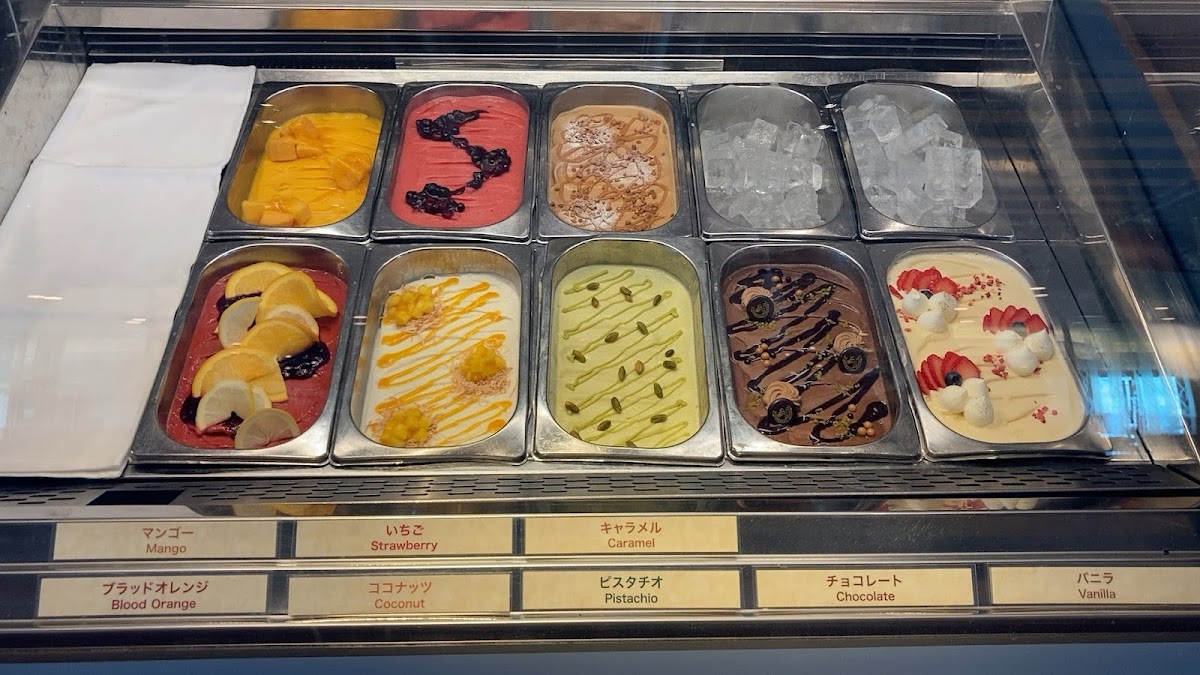
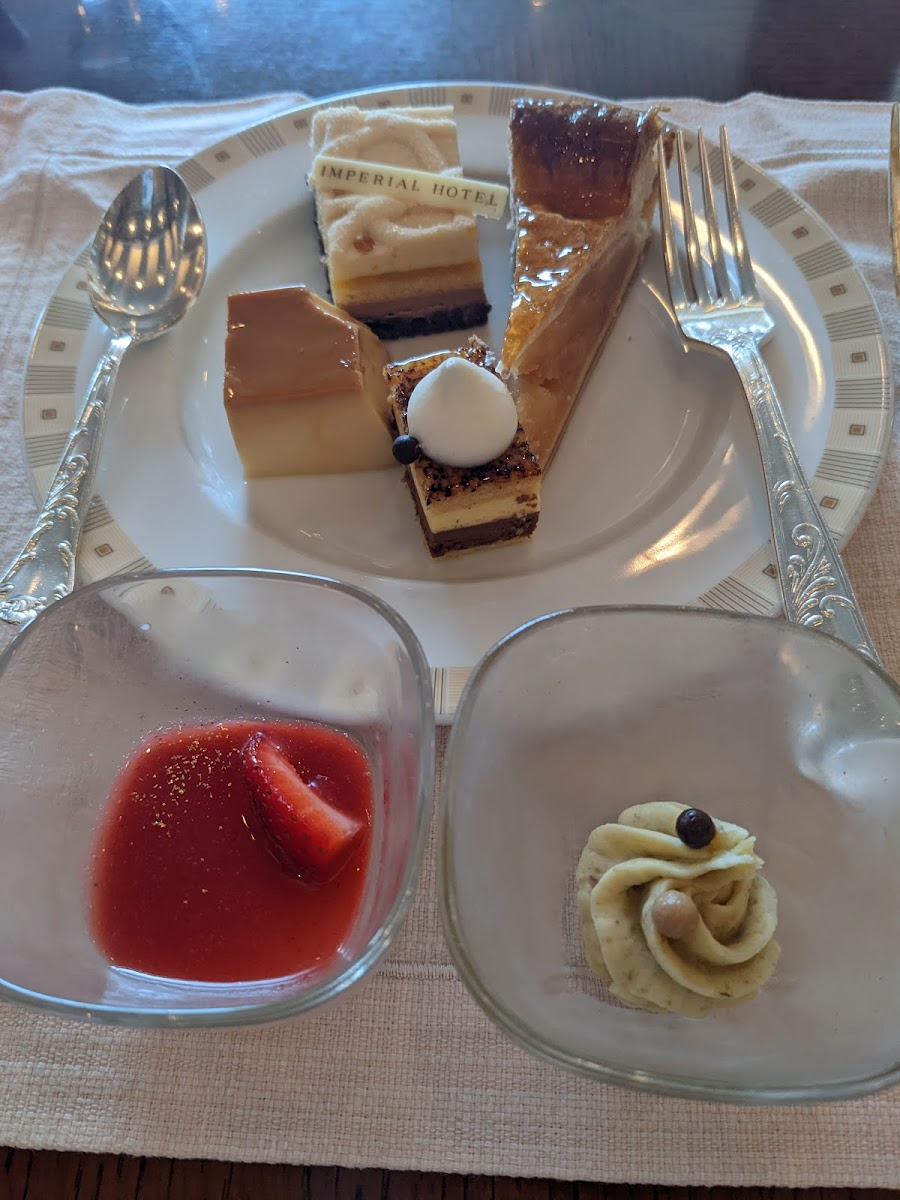
Dessert deserves its own spotlight. From delicate cakes to fruit tarts and soft-serve ice cream, the sweet section feels like a pastry boutique. I noticed families making multiple trips just for desserts, which says a lot. Even so, nothing felt overly sugary; balance seems to be the guiding principle.
In terms of atmosphere, the dining room feels refined yet relaxed. You’ll see couples celebrating anniversaries, business professionals hosting clients, and tourists who read glowing reviews before booking. Service is attentive without hovering. Plates disappear quickly, water glasses are refilled without asking, and staff members are happy to explain dishes if you’re unsure about ingredients. That kind of hospitality reflects the broader omotenashi culture Japan is known for-thoughtful, anticipatory service that puts guests at ease.
Pricing is on the higher side compared to casual buffets in Tokyo, but you’re paying for premium ingredients, a prime location, and decades of culinary credibility. When you compare it to other luxury hotel buffets in central Tokyo, the value feels fair. Reservations are strongly recommended, especially on weekends and during holiday seasons.
Online reviews consistently highlight three things: the roast beef, the seafood spread, and the unbeatable city view. While tastes are subjective, the consistency in feedback across platforms suggests a reliable dining experience. Of course, like any buffet, peak hours can feel busy, and if you’re looking for a quiet, intimate corner, it’s best to request a window-side table in advance.
What makes Imperial Viking Sal memorable isn’t just the variety of dishes. It’s the combination of culinary tradition, disciplined preparation, strategic location, and polished service. Each element works together seamlessly. After dining here, I understood why it remains a landmark in Tokyo’s hotel restaurant scene-steadfast, elegant, and surprisingly approachable for first-time visitors.